Missing Dog Search
Missing Dog Search
£200 fixed for up to 2 hours of drone searching, thermal capable, same day where daylight, weather and airspace allow.
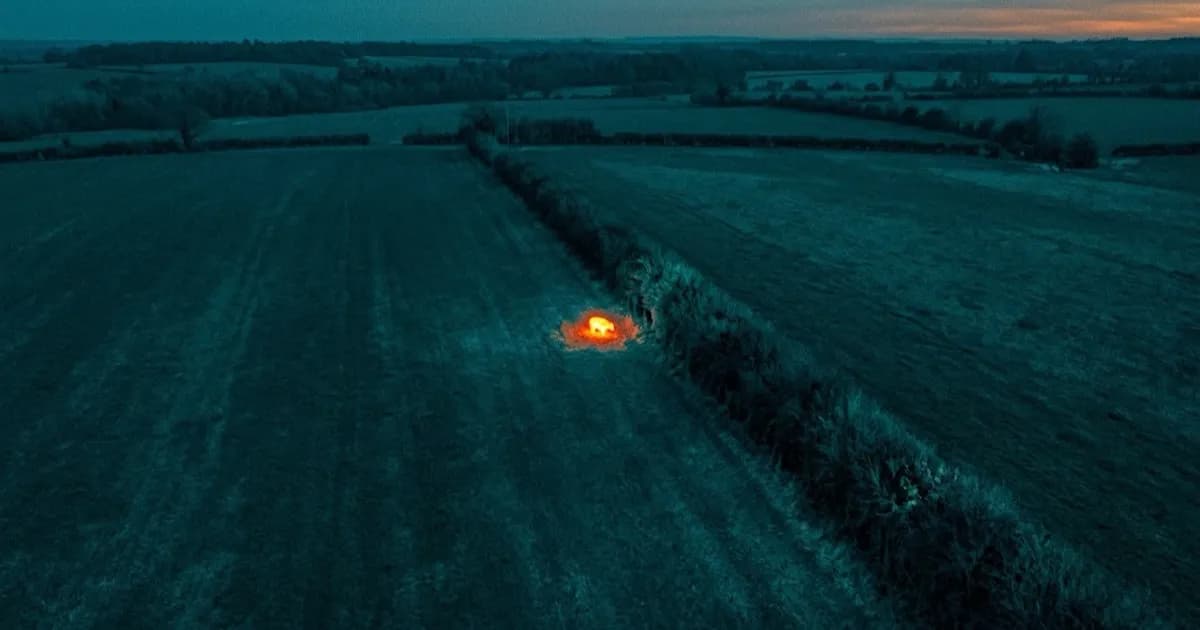
A dog goes missing and the first hour is people on foot: calling, checking gardens, ringing round. That is right, and it is also slow, because a person on foot covers a field in minutes that a drone covers in seconds, and cannot see through failing light the way a thermal camera can.
A drone search does not replace the people looking. It covers the ground they cannot reach quickly, the open field, the far hedge line, the wood edge, the stretch of moor, while the search on foot keeps going. Anything the aircraft finds gets passed straight back to you, by phone, while it is still in the air.
This is one job, done one way, for a fixed price. £200 covers up to 2 hours of searching. Beyond that, an hourly rate applies, agreed with you before we carry on. There is no callout charge hidden underneath it.
What is included
- Up to 2 hours of flying, thermal capable
- Open ground, farmland, moor edges, woodland margins, coast paths and large gardens covered fast
- Every sighting passed to you by phone during the flight, not written up afterwards
- A planned search pattern around the last known location, not a random sweep
- Same day where daylight, weather and airspace allow
- A plain call, on the day, about whether flying will actually help this search
When a drone helps
Open ground is where this works best: farmland, moor, woodland edges, coast paths, quarries and large gardens. Anywhere a person on foot would take an hour to walk properly, the aircraft covers in a few minutes, and it does it from an angle nobody on the ground gets, straight down over hedges and into field corners.
Cold, still conditions are when thermal works hardest, and first or last light is usually the best window of the day for it. A dog's body heat stands out clearly against ground that has been cooling since sunset, or has not yet warmed up after a cold night, in a way it simply does not at midday in summer.
It also helps simply by covering distance. A dog that has bolted can be a mile from where it was last seen within the hour, and a drone can check the obvious lines, along a hedge, down to a stream, across the nearest open field, faster than anyone can walk them.
When a drone does not help
Dense woodland canopy in full leaf blocks the camera as completely as it blocks a view from a helicopter. If the search area is mostly closed broadleaf woodland between late spring and autumn, flying is unlikely to add much over people on the ground, and that gets said plainly rather than sold anyway.
A dog that is hiding and staying still is hard to find from the air at any time of day, because a search from above relies on movement or a clear heat signature, and a frightened dog curled up under a hedge or in undergrowth can present neither.
Night without thermal contrast, meaning a mild night where the ground has not cooled much below body temperature, weakens the thermal image, and heavy rain or high wind stop a flight outright, the rain for the same reason it stops any camera working and the wind because the aircraft cannot fly safely or steadily enough to search properly in it. Built up streets are a police and CCTV job before they are a drone job.
What we need from you
The last confirmed sighting, with a time and a place, is the single most useful thing you can have ready, because the search pattern is built outward from it. A recent photo helps identify a shape at distance, and knowing the dog's name and whether it tends to run from people or freeze and hide changes how the search on the ground is best run alongside the flight.
A collar, tag or microchip does not help the drone find the dog, but it matters the moment the dog is found, so have that detail ready for whoever picks it up. If the search crosses private farmland or woodland, landowner permission is needed and is worth starting on the phone before the aircraft arrives, since land access is usually the thing that actually slows a search down.
One more thing matters as much as any of this: someone on the ground who can get to the dog once it is spotted. The aircraft finds; it does not catch or carry. A found dog that nobody can reach in time has not really been found yet.
On the day
How a search runs
- Step 1
Call
Ring the number above. Tell us where the dog was last seen, when, and what the ground is like there. That is enough to start.
- Step 2
Confirm area and access
The search area, take-off point and any airspace restrictions get checked before the aircraft leaves the ground, so nothing gets discovered on site.
- Step 3
Fly a planned search pattern
The aircraft works a pattern around the last known location outward, not a random sweep, so ground already covered does not get flown twice while ground that matters gets missed.
- Step 4
Live updates, sightings passed straight away
You get told what the camera is seeing as it is seeing it. If something is worth a look on the ground, you hear about it in minutes, not at the end of the flight.
Behind the work
Kit, cover and qualifications
CAA registered
Operator ID and Flyer ID held, plus the A2 Certificate of Competency, which is what allows closer, faster operation near buildings, hedges and people than the basic category allows.
Radiometric thermal
A DJI Mavic 2 Enterprise Advanced carrying a 640 by 512 thermal camera. This is the aircraft that goes up first at dawn, dusk and after dark, when a warm body shows against cooling ground.
100 megapixel daylight camera
A DJI Mavic 4 Pro with a Hasselblad camera and 6K video, for wide daylight coverage of open ground at a resolution that holds up when a distant shape needs checking properly.
Insured with Coverdrone
Full commercial cover for the operation. The certificate is available on request, without anyone having to chase for it.
Search
Missing Dog Search questions
- How much does it cost?
- £200 fixed, and that covers up to 2 hours of searching. Beyond 2 hours, an hourly rate applies, agreed with you before we carry on. No callout charge hidden underneath it.
- Can you fly today?
- Usually, where daylight, weather and airspace allow. Ring and say where and when the dog went missing, and you get a straight answer about whether flying now or waiting for first light is the better call.
- Do you find every dog?
- No, and nobody who tells you otherwise is being straight with you. What is being bought is a competent, insured search with a thermal camera and a pilot who knows the terrain, covering ground fast. It is not a promise of a find.
- Are you a rescue?
- No. We are a drone search service, not a rescue organisation. The police, your local dog warden and DogLost-type lost-and-found groups still need telling, and doing that alongside booking a search, not instead of it, gives the search the best chance.
- What happens after 2 hours if the dog has not been found?
- We tell you plainly where things stand and what the ground ahead looks like. If it is worth continuing, an hourly rate applies from that point, agreed with you before anything more is flown. Nothing continues without you saying yes to it.
- Does thermal work in daylight?
- It works best in cold, still conditions, which usually means first or last light rather than the middle of a warm day, when the ground itself has warmed up and a body's heat no longer stands out clearly against it. In full daylight the visual camera, at very high resolution, does most of the work instead.
- What if my dog is hiding, not lost?
- That is worth saying on the phone, because it changes the search. A dog that is hiding and staying still is properly harder to find from the air than one that is moving or exposed, and that gets said plainly rather than promised away.
- Do I need to be there?
- Someone needs to be reachable on the ground, ideally near the search area, so a sighting can be acted on straight away. You do not need to be standing next to the pilot, but you do need to be findable.
Where
Missing Dog Search across the South West
See how a search works
Fixed price, call now with Missing Dog Search
Tell us the last known location and when. Sam Hembury will come back with a fixed price and, where conditions allow, be in the air the same day.